1. Hard surfaces
Glass, metal, sealed wood and plastic are cleaned with products matched to the agent.
College Station, TX · Brazos County
Are tenants, pets or staff in College Station unable to return because of irritant residue? Call (877) 812-4220. Cleaners decontaminate surfaces and document the work for landlords and insurers.
If anyone is in danger, call 911 first. For a suicide crisis, call or text 988.
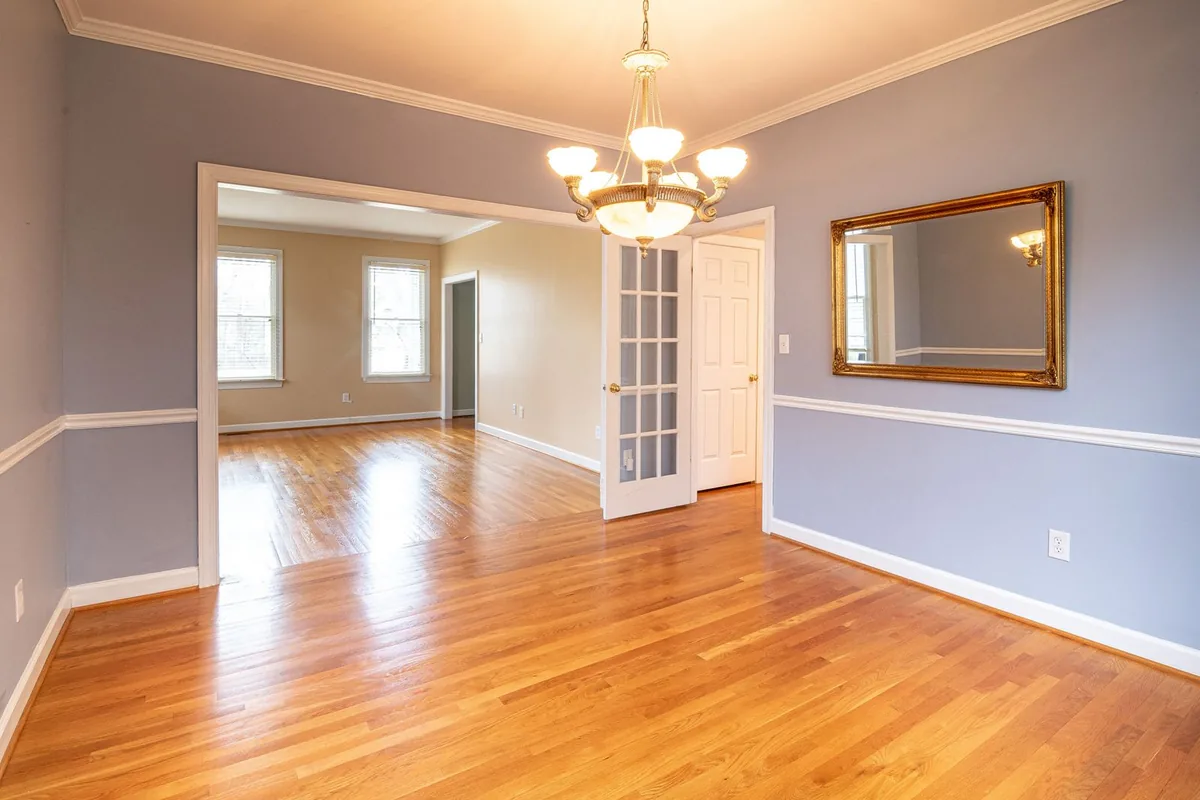
Pepper spray removal starts with ventilation and containment, followed by cleaning of hard surfaces, treatment or removal of soft goods and filtered air machines. Water alone does not do the job.
After a tear gas incident in College Station, you can get crews to contain the area and clear vents, surfaces and fabrics. Call College Station Biohazard Cleanup Help for homes, offices and vehicles anywhere in Brazos County.
Summer heat in College Station, with July highs near 95 degrees, can make closed vehicles and rooms feel worse when residue warms up. About 65% of households in College Station are renters, so tear gas or spray in a shared building often involves a landlord and neighbors.
What tear gas & pepper spray cleanup covers:
Glass, metal, sealed wood and plastic are cleaned with products matched to the agent.
Carpet, curtains, bedding and furniture are treated if possible and removed if not.
Hard surfaces are decontaminated, soft goods are treated or removed and the air system is cleaned.
Filtered air machines and deodorizing remove lingering particles and smell so the room feels normal.
Expect tear gas & pepper spray cleanup in College Station, TX to cost roughly $1,500 to $50,000, with the final price set after an on-site assessment.
Air system cleaning adds steps, because vents, ducts and filters may need isolation, cleaning or replacement.
| Type of job | Typical range |
|---|---|
| Commercial property | $10,000 - $50,000+ |
| Small apartment | $1,500 - $4,000 |
| Single-family home | $3,000 - $10,000+ |
Figures are planning ranges from Tear gas cleanup cost guide, not a price for any specific College Station property. Price drivers include property size, air system involvement, materials affected, time since exposure. Call (877) 812-4220 any hour.
Rules for hazardous residue vary by state, county and city. Waste may need special handling and cannot always go in the regular trash. Ask the local health department or fire department what applies.
Tell the landlord or property manager right away. The lease and local law decide who pays. A landlord, an attorney or a tenant rights group can explain.
No. Water can spread residue or make irritation worse, and runoff can carry it into floors, walls and vents. Leave the area and keep others out, then call a cleanup team.
Usually not. Many owners set up access by phone through a key holder or manager. Tell the team who has the keys and whether a business must stay open around the work.
Get to fresh air, take others and pets with you, and keep everyone out of the space. Do not hose it down or mix cleaning products. If anyone has trouble breathing, call 911 or Poison Control.
If the heating or cooling system ran, it may have pulled irritant particles into vents and ducts and moved them to other rooms. Crews isolate and clean the system so residue does not spread again.
Cleaners remove the irritant so people and pets can return safely.
Call (877) 812-4220